Material selection is the single most consequential design decision in handbag manufacturing. It determines the bag’s weight, durability, aesthetic, price point, sustainability credentials, and — crucially — your manufacturing cost. For brands sourcing from OEM factories in China, understanding the strengths, limitations, and sourcing realities of each major handbag material transforms a vague design conversation into a precise production brief. This guide covers every major material category, with practical guidance for brands at every price point and sustainability position.
1. Genuine Leather — The Premium Standard
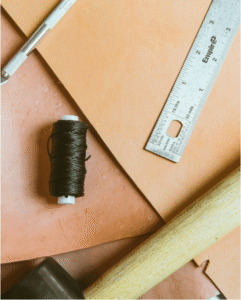
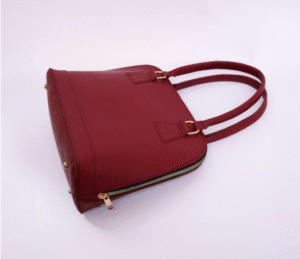
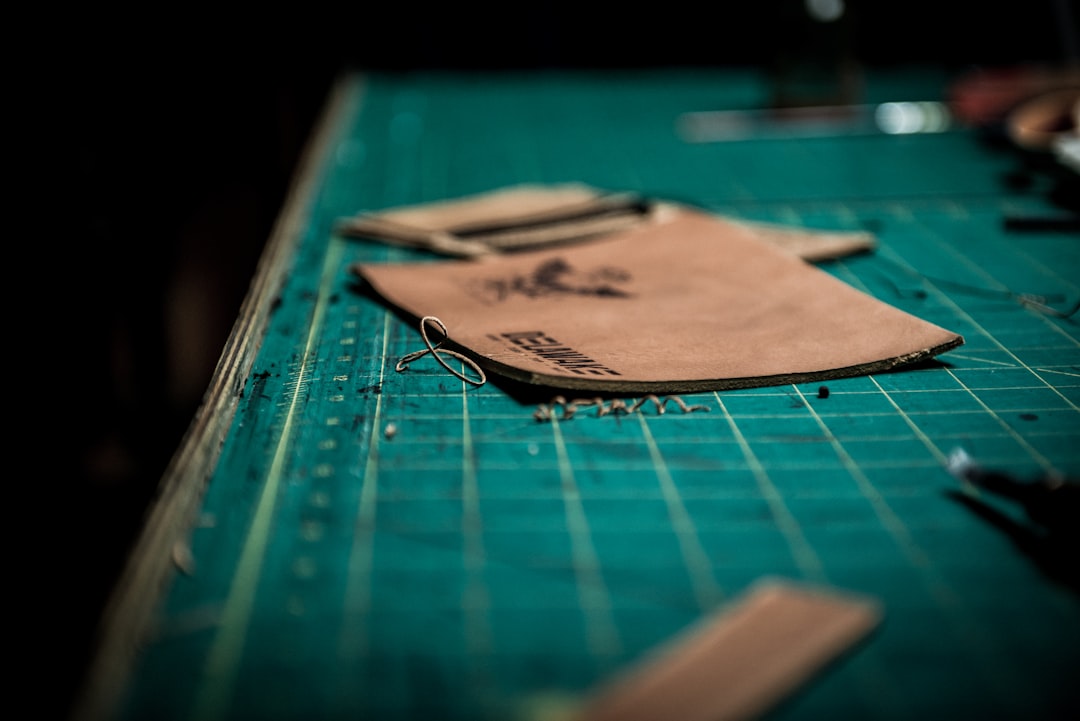
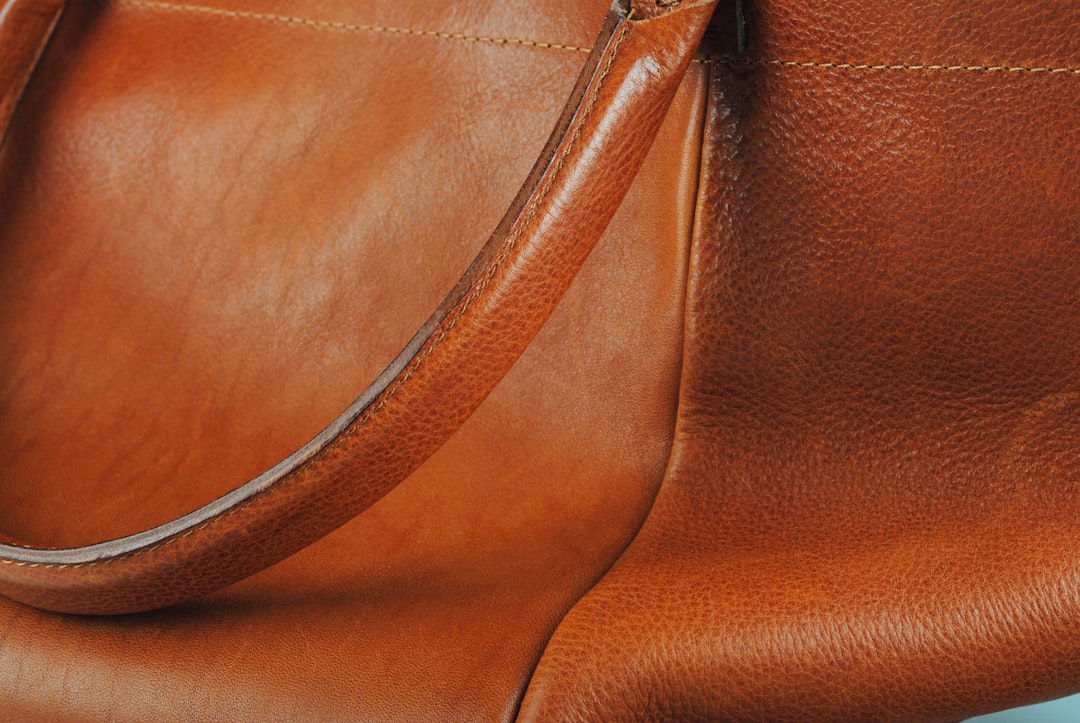
Genuine leather — hide sourced from cattle, sheep, or goat — remains the benchmark material for quality handbags and is the primary material in the luxury segment. For OEM manufacturers, it is also one of the most technically demanding materials to work with consistently.
Full-Grain Leather
The highest quality tier: the top surface of the hide is retained intact, with natural grain pattern visible. Full-grain leather develops a patina over time and is the most durable leather type. It is used by luxury brands and commands the highest per-square-metre price. Chinese manufacturers with proximity to Baoding’s leather district (one of the world’s largest leather processing hubs) have strong supply chain access to full-grain hides.
Top-Grain Leather
The hide surface is lightly sanded and treated to remove natural imperfections, then embossed with a uniform grain pattern. Top-grain leather is the dominant material for mid-to-upper-market handbags: it offers consistent appearance across a production run (important for brand consistency), good durability, and lower cost than full-grain. Most commercial leather handbags in the $80–$500 retail range are made from top-grain leather.
Saffiano Leather
A specific finish applied to top-grain leather via a crosshatch stamping process. Saffiano leather is highly scratch-resistant, easy to clean, and structurally stable — making it popular for structured bags and business accessories. Originally developed by Prada and now widely produced across all price points. Saffiano PU is also available for accessible price-point applications.
Sourcing Note
Genuine leather prices are subject to commodity market volatility. For OEM orders, locking in material pricing at order placement — not at shipment — is standard practice and protects both parties from mid-production price swings.
2. PU Leather — The Workhorse of Accessible Fashion
Polyurethane (PU) leather is a synthetic material with a leather-like surface, produced by coating a fabric base (typically polyester or cotton) with a polyurethane layer. It is the dominant material for accessible fashion handbags at the $20–$80 retail price point.
Advantages: Consistent colour and texture across large production runs; significantly lower cost than genuine leather; wide range of surface finishes available (smooth, croc-embossed, Saffiano, matte, metallic); vegan by definition; easy to clean.
Limitations: Lower durability than genuine leather over extended use; peeling or delamination over time (quality of the polyurethane layer is critical); limited breathability; not biodegradable in standard formulations.
Industry reality: The quality range within PU leather is vast. Budget PU (thin polyurethane layer on a light base fabric) will begin to delaminate within 12–18 months of regular use. Premium PU (thick, multi-layer polyurethane with reinforced base fabric) can offer 3–5+ years of durability. When specifying PU for your handbag, always request the polyurethane layer thickness specification and base fabric weight from your manufacturer.
3. Canvas — Durable, Versatile, and On-Trend
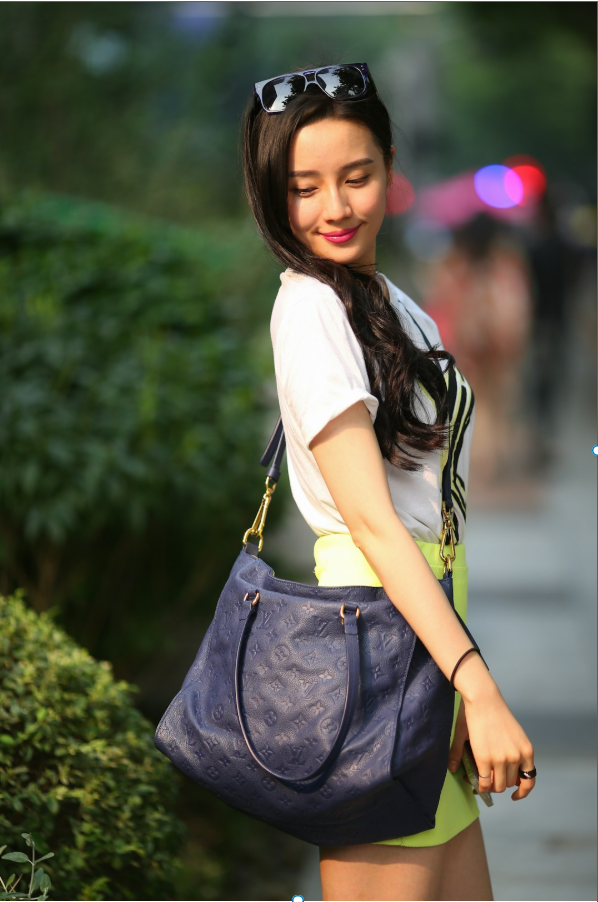
Woven fabric canvas has been a staple handbag material for over a century — from Louis Vuitton’s original Toile canvas to contemporary tote bags used as everyday carry. For OEM manufacturers, canvas is one of the most production-friendly materials: it is dimensionally stable, easy to cut and sew, and highly amenable to surface printing and treatment.
| Canvas Type | Weight Range | Typical Application | Sustainability Option |
|---|---|---|---|
| Cotton canvas | 10oz – 16oz | Totes, shopper bags, casual crossbodies | GOTS-certified organic cotton |
| Waxed canvas | 10oz – 14oz | Outdoors, heritage styles | Beeswax or synthetic wax |
| PVC-coated canvas | Varies | Logo print luxury-style (LV-esque) | Recyclable PVC options available |
| rPET canvas | 10oz – 14oz | Sustainable totes, beach bags | GRS-certified recycled PET |
The 10502# and 10534 cotton canvas weights referenced by Chinese OEM factories are specific industry designations for cotton bottom-weight canvas — versatile materials suitable for structured totes, base-reinforced hobo bags, and casual everyday styles. These are widely stocked materials in Guangzhou’s fabric markets, making them a fast and cost-effective base material for OEM production.
4. Nylon — Lightweight and Performance-Driven
Nylon is the preferred material for lightweight, high-performance bags — think travel accessories, gym bags, crossbodies for active lifestyles, and functional totes. Washed nylon (sometimes described as “washed taslon” or simulated water-resistant nylon) offers a casual, slightly textured aesthetic that has been strongly on-trend in the accessible luxury market since 2023.
Ballistic nylon: High-density, extremely durable. Used in premium bags targeting heavy-use applications. The original material for Tumi’s legendary “ballistic briefcase.”
Recycled nylon (rNylon): Produced from fishing nets and pre-consumer industrial waste. GRS-certifiable, with near-identical performance to virgin nylon at a modest cost premium. Increasingly specified by brands targeting the sustainable travel market.
Washed/tumbled nylon: Standard nylon subjected to a washing or tumbling process that softens the hand feel and creates a slightly casual, worn aesthetic. Widely used for accessible hobo bags and shoulder bags.
5. Sustainable and Innovative Materials
As detailed in our sustainable handbag manufacturing guide, bio-based and recycled materials are rapidly moving from niche to commercial mainstream. Key options in 2026:
- Recycled PU (rPU): Standard PU made from post-consumer recycled plastic. GRS-certifiable. Visually and tactilely indistinguishable from virgin PU. The most commercially accessible sustainable leather alternative.
- Cactus leather (Desserto): Plant-based leather made from organic nopal cactus fibres. Premium positioning, used by fashion brands including Karl Lagerfeld. Available from certified suppliers.
- Apple leather: Produced from apple industry waste (cores and peels). Light, flexible, suitable for accessories and lined bag applications.
- Piñatex: Derived from pineapple leaf fibres. Certified B Corp material with strong sustainability credentials. Used in premium sustainable fashion accessories.
6. Hardware and Interior Materials
A bag’s material story does not end with the exterior. Buyers and quality-conscious brands also specify:
- Hardware: Zinc alloy (cost-effective, good weight, available in all finishes), iron (heavier, lowest cost), brass (premium feel and weight, used in luxury bags). Hardware finish: gold, antique gold, silver, rose gold, gunmetal. Surface treatment: electroplating (standard), PVD coating (premium durability).
- Interior lining: Polyester satin (most common, low cost), nylon twill (durable, easy to clean), branded woven jacquard (premium private label feel), genuine suede (luxury).
- Zippers: YKK (Japan, premium) or SBS (China, mid-market) are the dominant brands. Specify the zipper brand in your production contract — lower-grade zippers are a common cost-cutting substitution.
- Reinforcement: Base boards, foam padding, and interfacing add structure and protect shape. The type and weight of reinforcement significantly affects a bag’s perceived quality.
Frequently Asked Questions
Q: What is the most durable handbag material?
A: Full-grain genuine leather is the most durable handbag material over a 10+ year horizon — it develops a patina and gains character with use rather than degrading. Among synthetic materials, high-quality ballistic nylon and premium multi-layer PU leather offer the best durability. Quality rPU with a thick polyurethane layer can also provide 5+ years of reliable performance.
Q: Is PU leather good enough for a mid-market fashion brand?
A: Yes — premium PU leather is entirely appropriate for mid-market positioning ($60–$200 retail). The key is specifying the correct grade: minimum 0.8mm polyurethane coating on 400D+ polyester base fabric. Specify this in your tech pack and verify it in your pre-production sample. This level of PU will perform significantly better than budget PU and meets consumer expectations at mid-market price points.
Q: Which material is best for printing custom patterns on handbags?
A: Cotton canvas is the optimal substrate for high-resolution digital inkjet printing — it accepts ink deeply, produces vibrant colours, and holds print clarity over time. Washed nylon can also be printed but requires specialised inks and typically produces slightly less saturated results. Genuine leather can be digitally printed but is significantly more complex and expensive. For trend-led patterns (animal prints, graphic designs), canvas is the preferred manufacturing choice.
Need Material Guidance for Your Next Collection?
Our team has hands-on experience with over 50 material variants — from standard PU and canvas to GRS-certified recycled nylon and premium genuine leather. We can source, sample, and advise on the best material for your design, price point, and sustainability requirements. Contact us for a free materials consultation.