2026 Women’s Handbag Trends: Styles, Materials & Colors Shaping the Market
The global handbag market is projected to reach $89.6 billion by 2030, growing at a CAGR of 5.9%.For buyers, brand owners, and retailers, staying ahead of seasonal shifts is not just about aesthetics —It is the decisive factor behind product sales performance, separating bestsellers from slow-moving inventory. This guide breaks down the defining women’s handbag trends of 2026, from dominant silhouettes and trending materials to key color stories, so you can make smarter sourcing and production decisions.
The Big Picture: What Is Driving 2026 Handbag Trends?
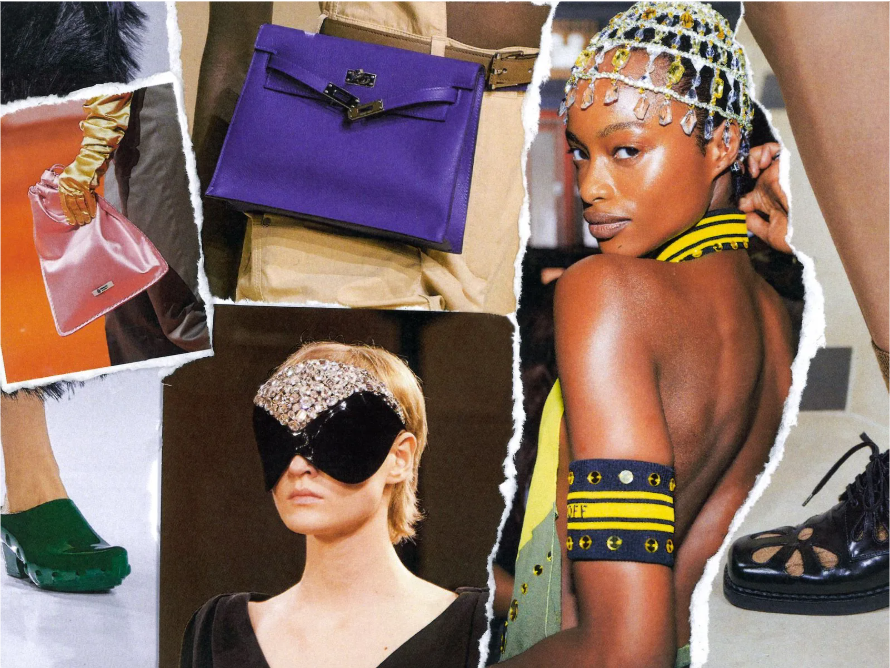
Three macro forces are reshaping handbag design for 2026. First, a consumer shift from trend-chasing to longevity — buyers are investing in pieces they will carry for years, not just one season. Second, the sustainability imperative is becoming a commercial reality, with 28% of new Spring/Summer 2026 products featuring raw natural materials such as straw, rattan, and organic cotton. Third, runway designers are simultaneously pulling from archival heritage and pushing into maximal statement territory, creating a market split between “quiet luxury” and bold “It bag” aesthetics.
For OEM manufacturers and brands, this means two winning lanes: timeless, high-quality craftsmanship for the quiet-luxury buyer, and expressive, customizable designs for trend-forward retailers.
1. Silhouette Trends: The Shapes Buyers Are Ordering
East-West Bags — The Breakout Silhouette
Among all shape trends, the East-West bag — a horizontally elongated format originally made iconic by brands like Alaïa with its Le Teckel style — is seeing the most viral demand in 2026. The silhouette works across leather, canvas, and even woven materials, making it highly manufacturable for OEM factories with flexible production lines. Buyers in the Middle East and European markets are responding strongly to this shape, particularly in structured leather and soft slouchy versions.
Oversized Day Clutches
The classic evening clutch has been supersized into a day-use format. Chanel, Bottega Veneta, and other luxury houses presented clutches large enough to carry daily essentials — blurring the line between a clutch and a small tote. For manufacturers, this opens a high-margin segment: structured oversized clutches in premium materials with simple hardware.
Slouchy Hobo Bags
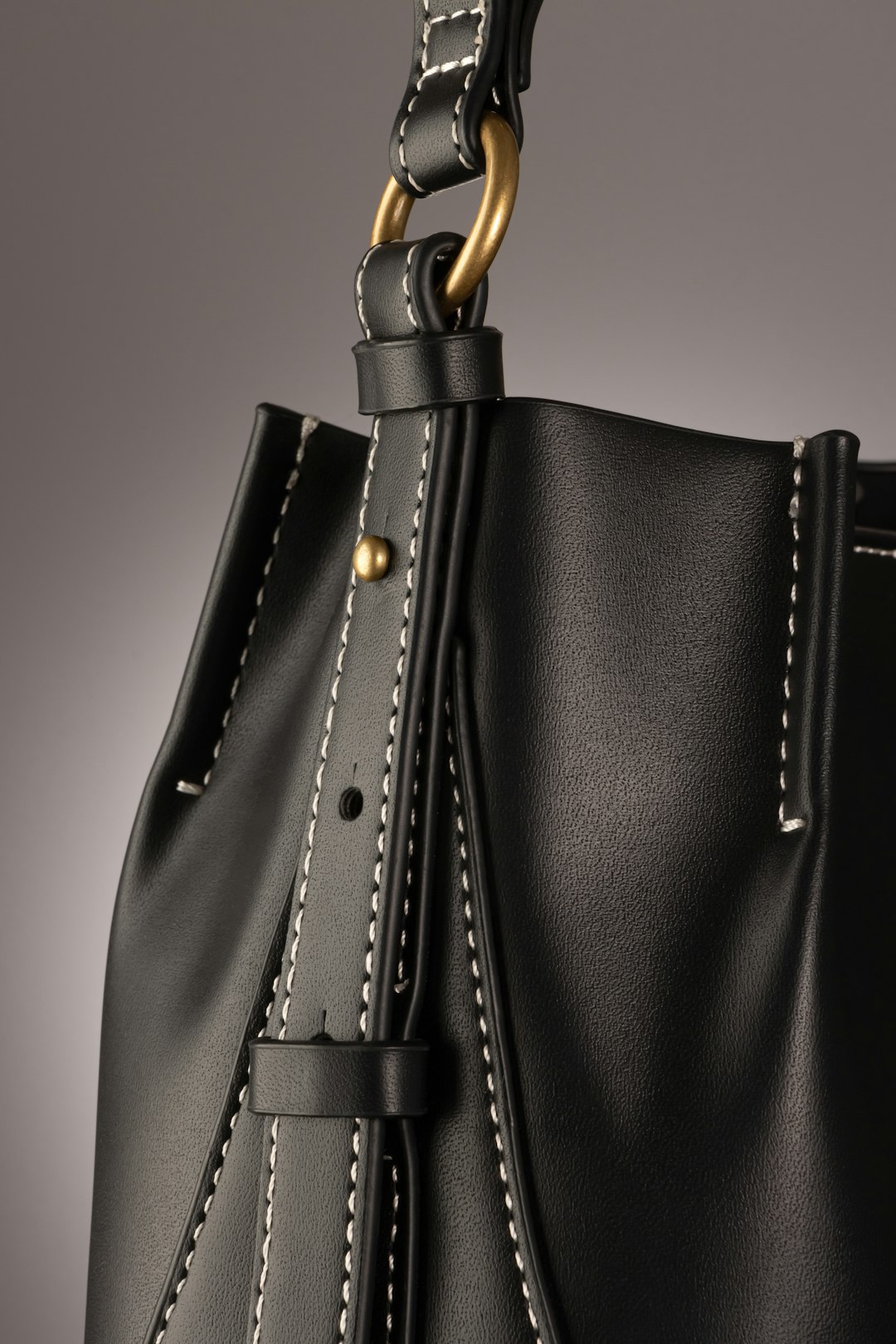
The hobo bag — a soft, unstructured shoulder bag with a comfortable drape — continues its resurgence. Miu Miu’s 2025 functional update (adding interior pockets and D-ring hardware) set the template for 2026 iterations. As an OEM manufacturer specializing in hobo and tote silhouettes, this trend represents one of the highest-demand production opportunities heading into the year.
Petite Drawstring Pouches
Prada and other Italian houses revived the drawstring pouch format at a miniature scale. These are popular as secondary bags and gifting items, and their simple construction makes them an efficient addition to any production run.
2. Material Trends: What Surfaces Are Buyers Requesting?
Netted and Woven Structures
Elaborate netted bags — first pushed into the mainstream by Tory Burch and Bottega Veneta — are one of the defining visual signatures of Spring/Summer 2026. City-ready raffia bags from The Row and Alaia are also surging. For sourcing teams, the practical question is whether a manufacturing partner can handle woven and structured net construction at scale.
Sustainable and Natural Fibres
Raffia, straw, rattan, and organic cotton are no longer niche. Brands like Reformation and Essen are building entire collections around “anti-trend” natural materials that are positioned as buy-forever investments. Demand for these materials from OEM partners is rising sharply, particularly from Australian and European buyers with strong sustainability mandates.
Vegan Leather and Bio-Based Alternatives
The vegan leather segment continues to grow at a CAGR of 10.8%. Cactus leather, mushroom leather (Mylo), and recycled PU are all gaining traction as brand-level sourcing priorities. Manufacturers with GRS (Global Recycled Standard) certification are in a competitive advantage position to capture this demand.
Embossed and Textured Leather
Croc-embossed, ostrich-grain, and Saffiano leather remain commercial staples for the quiet luxury consumer. These surfaces project premium quality at an accessible price point, making them popular for private label programs targeting the Middle East and European department store market.
3. Color Trends: The Palette of 2026
Color is one of the most immediate levers for retail differentiation. For 2026, two dominant stories are emerging:
Color Family
Key Shades
Season
Best Silhouette Pairing
Electric Brights
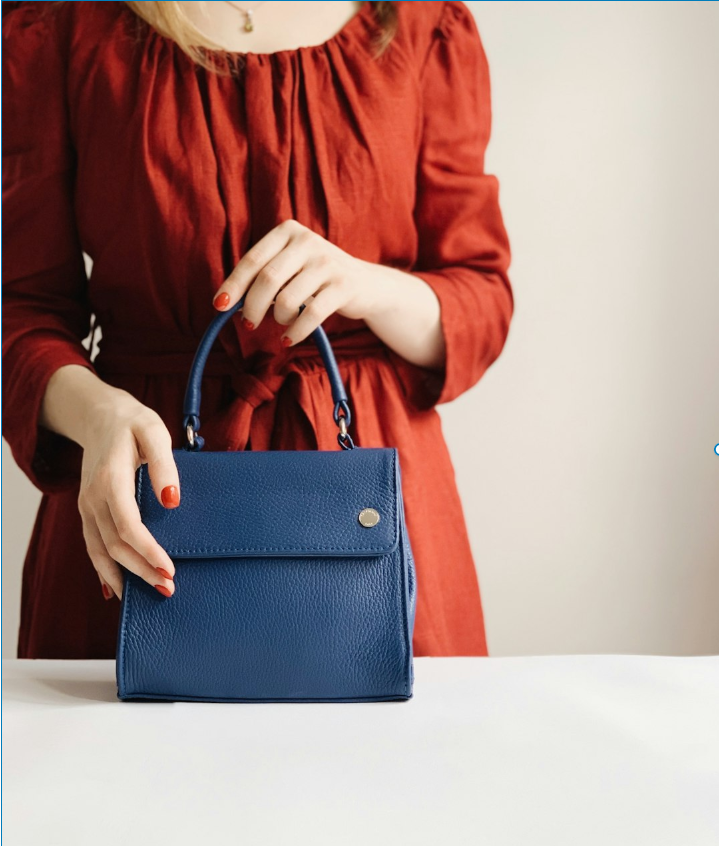
Cobalt Blue, Acid Yellow
Summer 2026
Structured top-handle, mini shoulder bag
Quiet Neutrals
Warm Oat, Chocolate, Pebble Grey
Year-round
Tote, hobo, East-West satchel
Rich Heritage
Burgundy, Forest Green, Cognac
Autumn/Winter
Structured frame bag, doctor bag
Natural Raw
Straw, Natural Tan, Undyed Leather
Spring/Summer
Raffia tote, woven bucket bag
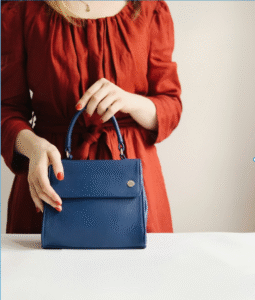
Cobalt blue is identified as the electric “colour of the summer” for 2026, succeeding the reds that dominated 2025.For manufacturers, being able to execute clean, consistent colour ways in both leather and fabric materials is a key differentiator when pitching to fashion brands.
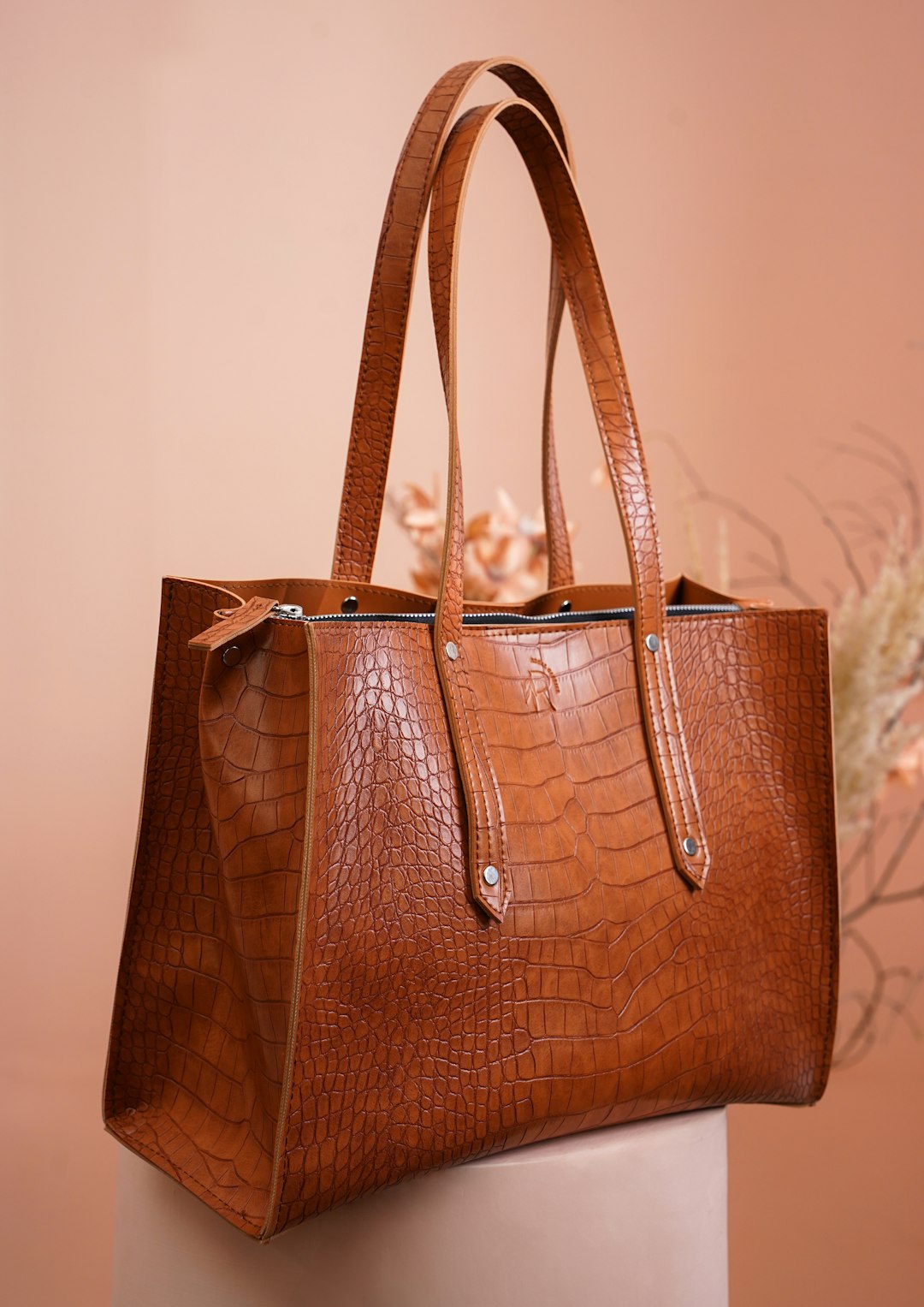
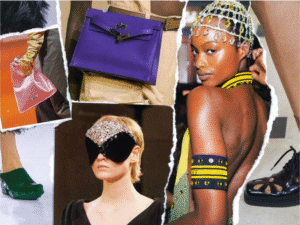
Figure 2: Fashion bag collection showcasing the structured and statement styles prominent in 2026 trend forecasts.
4. Design Details That Sell in 2026
- Gold hardware: Consistently strong across luxury and accessible price points. Buyers specify gold over silver at roughly 3:1 ratio in current orders.
- Chunky chain straps: A carry-over from 2024-25 that shows no sign of slowing, especially for shoulder and crossbody bags.
- Interior organisation: Brands are increasingly specifying functional interior linings with multiple pockets, card slots, and key hooks. This adds perceived value and justifies higher retail pricing.
- Reversible and dual-use designs: Two-in-one bags (reversible exterior, convertible strap systems) are a growing segment in the mid-market, reducing per-unit cost for buyers who want variety.
- Leopard print: Animal prints — particularly leopard — maintain a strong commercial position at accessible price points. Digital inkjet printing technology allows for high-precision animal print reproduction at scale.
5. What This Means for OEM Sourcing in 2026
For brands and buyers placing OEM orders in 2026, the takeaway is clear: versatility and verified sustainability credentials are the two highest-value manufacturing attributes. A factory that can execute multiple silhouettes (hobo, tote, East-West, clutch) across natural and vegan materials, with GRS and Higg Index verification, holds a significant competitive advantage over single-specialty suppliers.
When evaluating manufacturing partners, ask specifically about: (1) digital inkjet printing capabilities for trend-led graphics; (2) experience with woven and raffia construction; (3) sustainable material supply chain and certifications; and (4) sampling lead times for new silhouettes.
Pro Tip for Buyers: The difference between a trend and a sales success is fit-to-market timing. Work with manufacturers who can turn around samples in 15–20 days and have pre-approved material stock for fast movers like cobalt blue leather and raffia weaves.
Frequently Asked Questions
Q: What is the #1 handbag trend for 2026?
A: The East-West silhouette — a horizontally elongated bag shape — is the standout breakout trend for 2026, paired with cobalt blue as the dominant color of the summer season. Slouchy hobo bags remain consistently strong across all markets.
Q: Are sustainable handbags a mainstream trend in 2026?
A: Yes. Sustainability is no longer a niche positioning — 28% of new S/S 2026 products feature sustainable raw materials. Buyers, particularly from European and Australian markets, are actively requiring GRS certification and Higg Index scores from their manufacturing partners.
Q: Which materials should OEM factories prioritise stocking for 2026?
A: Raffia/natural fibre, recycled PU, cobalt-dyeable smooth leather, and croc-embossed faux leather are the highest-demand surface materials for 2026. Digital print-ready canvas and nylon are also essential for trend-led collections.
Q: Is quiet luxury still relevant in 2026?
A: Absolutely. The market has bifurcated: one segment is moving toward bold, maximalist “It bags,” while an equally strong — and often higher-margin — segment continues to invest in timeless, quiet luxury pieces in neutral tones with premium hardware.