Quality control is where the gap between a good factory relationship and a costly production disaster opens up. The majority of quality problems in handbag manufacturing are not caused by factory incompetence — they are caused by inadequate specification, insufficient pre-production communication, and the absence of a structured inspection protocol. This guide provides a comprehensive framework for handbag quality control when working with a China OEM factory: what to specify, when to inspect, what to look for, and how to document and resolve issues professionally.
The Quality Control Foundation: The Golden Sample
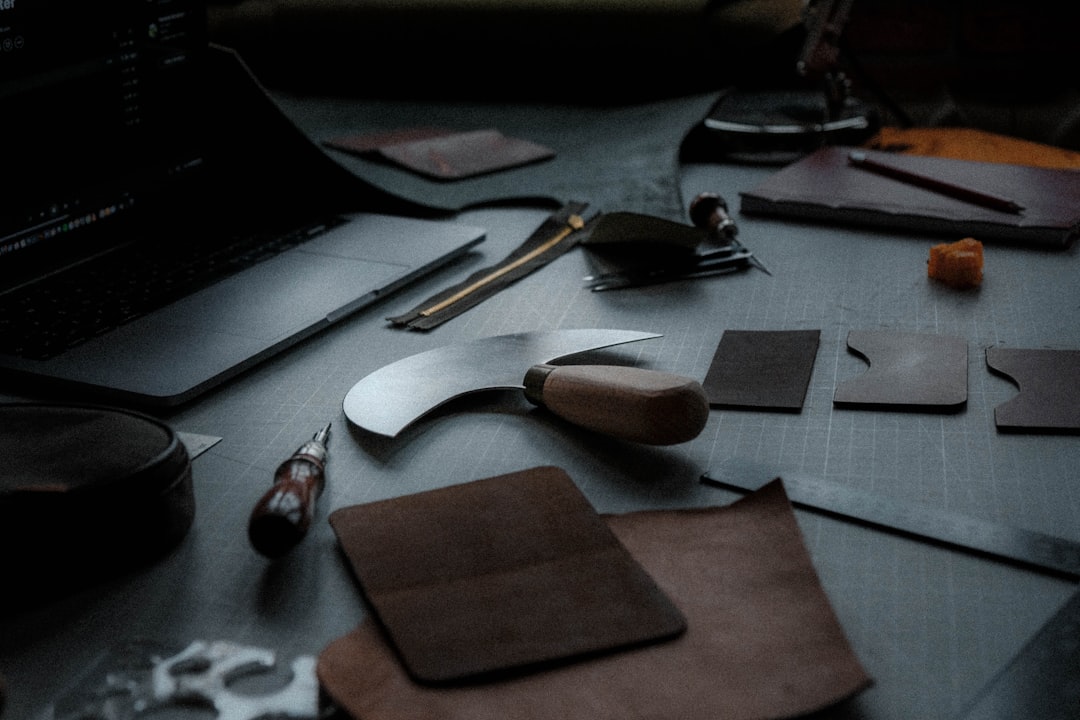
Quality control begins long before production starts. The golden sample — the final approved pre-production sample against which all production units are compared — is the single most important quality document in a handbag production programme.
A properly established golden sample includes:
- Final approved silhouette with confirmed dimensions (length, height, depth, strap length)
- Material specification: surface material, base fabric, lining, hardware
- Colour approval: confirmed against Pantone references or physical swatch
- Branding application: logo position, size, and method (debossed, heat-stamped, woven label)
- Interior layout: pocket positions, zipper specifications, lining pattern
- Hardware: confirmed finish, weight, and functional testing (zipper pull force, clasp engagement)
The golden sample is physically retained by both the factory and the buyer. Production QC inspectors compare every examined unit against this reference, not against a general description of the product.
Understanding AQL — Acceptable Quality Level
AQL (Acceptable Quality Level) is the international standard (ISO 2859-1) for statistically sampling a production batch to determine whether the whole batch meets quality requirements. Rather than inspecting every unit (impractical for large orders), AQL defines a sampling plan: a specific number of units are inspected, and the number of defects found in that sample determines whether the whole batch is accepted or rejected.
| Defect Category | Definition | Typical AQL Level | Example in Handbags |
|---|---|---|---|
| Critical defects | Safety risk or regulatory non-compliance | 0 acceptable (AQL 0) | Sharp hardware edges, toxic material, choking hazard |
| Major defects | Functional failure or significant appearance flaw | AQL 2.5 | Zipper failure, incorrect dimensions, stitching break, wrong colour |
| Minor defects | Minor cosmetic imperfection not affecting function | AQL 4.0 | Slight thread pull, minor hardware scratching, small lining wrinkle |
In practical terms: for a shipment of 1,200 bags, an AQL 2.5 major defect inspection requires examining approximately 125 units. If more than 8 major defects are found in that sample, the batch fails inspection and must be sorted, reworked, or rejected.
Contract clause note: Ensure that the AQL levels referenced in your supply contract correspond to the ISO 2859-1 standard, and that “defect” categories are clearly defined with reference to the golden sample. Vague language like “any quality issue at buyer’s discretion” creates unlimited liability that no reputable factory should accept — and that you should not rely on either.
The Four-Stage QC Framework
Stage 1: Pre-Production Inspection (PPI)
Conducted before production begins. Verifies that the factory has received and approved the correct materials, hardware, trimmings, and labelling — all matching the golden sample specifications. A failed PPI catches problems at the cheapest possible stage: before a single bag is produced.
What to check at PPI:
- Material: surface material, lining, base fabric — colour match, weight, finish
- Hardware: finish colour, weight, brand (YKK vs generic zipper), clasp mechanism
- Branding materials: label text, font, logo artwork, hang tag print quality
- Packing materials: box dimensions, tissue paper, dust bag material
Stage 2: During Production Inspection (DUPRO)
Conducted when approximately 20–30% of production is complete. Allows quality issues to be corrected before the full production run is finished — at lower cost than a post-production rework.
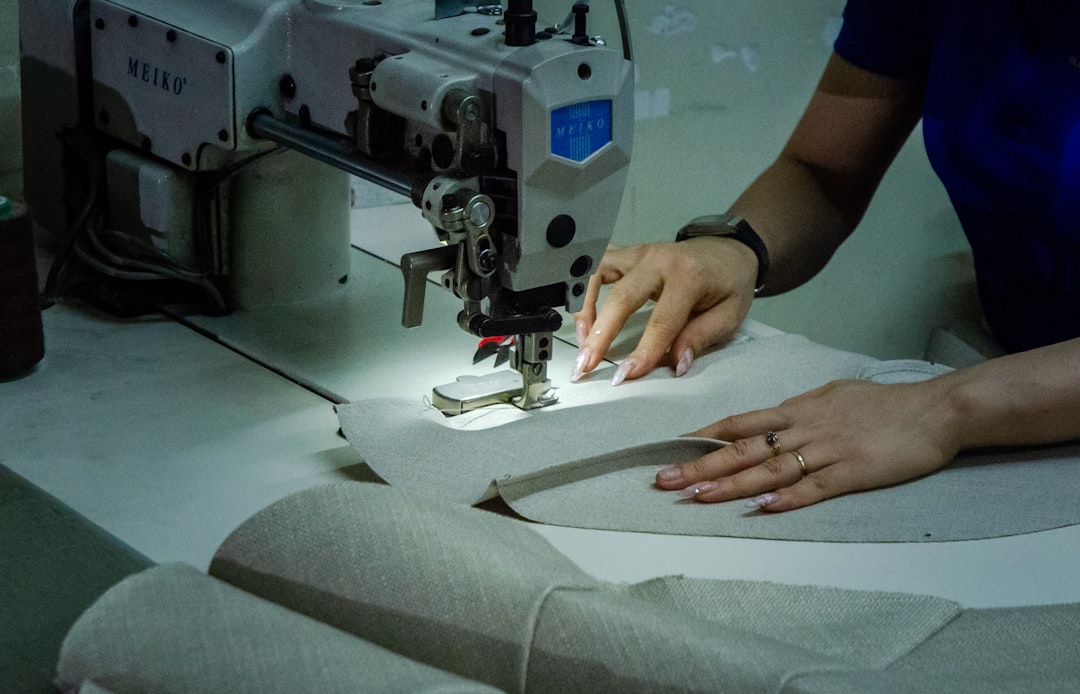
DUPRO focuses on workmanship quality: stitching consistency, hardware attachment security, edge finishing quality, and colour consistency across the early units. If systematic defects are found at DUPRO, production can be paused for correction before further waste occurs.
Stage 3: Pre-Shipment Inspection (PSI)
The most critical and universally required inspection stage. Conducted when 100% of production is complete and at least 80% is packed. An independent third-party inspector (SGS, Bureau Veritas, Intertek, or QIMA are the most recognised providers) examines a statistically determined sample against the golden sample and the agreed AQL standards.
A comprehensive PSI handbag inspection report covers:
- Dimensions verification (against golden sample specifications)
- Colour and material conformity
- Stitching quality: density (stitches per centimetre), tension, thread colour
- Hardware function: zippers, clasps, magnetic snaps, D-rings, rivets
- Logo application: position, clarity, permanence
- Lining: cleanliness, attachment, pocket function
- Edge finishing: paint consistency, heat-sealing quality
- Overall appearance: symmetry, cleanliness, free from adhesive marks
- Packing: correct bag-to-box ratio, protection material, label accuracy
Stage 4: Loading Supervision
For high-value orders, a loading inspector verifies that the correct carton count is loaded into the container, that goods match the packing list, and that the container is clean, dry, and appropriately loaded. This final check prevents mix-ups and packing errors that are otherwise discovered only on arrival at the destination.
Common Handbag Quality Defects to Watch For
Pre-Shipment Inspection Checklist — Common Defect Categories
- Colour deviation from approved swatch or Pantone reference
- Stitching skip, break, or inconsistent tension
- Hardware finish inconsistency (spotting, discolouration, incomplete plating)
- Zipper misalignment or stiff pull
- Incorrect dimensions (length, height, strap length) vs. golden sample
- Logo print misregistration, fading, or unclear definition
- Lining wrinkle, staining, or poor attachment
- Adhesive residue on surface material
- Edge paint uneven, cracking, or missing sections
- Asymmetrical strap attachment or uneven hardware positioning
- Incorrect packing (wrong colour in carton, missing dust bags)
Frequently Asked Questions
Q: Should I use a third-party inspector or rely on the factory’s own QC?
A: For any order above approximately $10,000 USD value, an independent third-party PSI inspection is strongly recommended. Factory in-house QC is valuable and necessary, but it is not independent — the factory has a financial incentive to approve its own production. Third-party inspectors (SGS, Bureau Veritas, QIMA) are independent and their reports are internationally recognised. The inspection cost of $200–400 is minimal relative to the cost of accepting a defective shipment.
Q: What happens if a shipment fails inspection?
A: A failed PSI does not automatically mean the goods are unusable. The report will detail which defects were found and in what proportion. Options include: (1) sorting the production to remove defective units; (2) reworking defective units at the factory; (3) accepting the shipment with a negotiated price reduction; (4) rejecting the shipment entirely. The right approach depends on the severity of defects and the commercial relationship with the factory.
Q: What AQL level should I specify in my contract?
A: Industry standard for fashion accessories is AQL 2.5 for major defects and AQL 4.0 for minor defects. For brands selling through premium retail channels or with high return cost exposure, AQL 1.5 for major defects provides a tighter acceptance standard. Specify AQL 0 for critical defects (safety) without exception.
Quality You Can Verify — Not Just Claim
Our factory operates a four-stage QC programme with documented golden sample management, in-house QC teams, and full support for third-party pre-shipment inspections. We welcome SGS, Bureau Veritas, and QIMA inspectors and maintain all production records for traceability. Talk to us about your quality standards.